



Have you noticed a change in your skincare routine lately? Maybe you're reaching foringredients that your grandmother used to swear by, or perhaps you've stumbled upon a fascinating new beauty hack on social media. What you're likely experiencing is part of a larger global phenomenon: the rise of traditional South Asian beauty remedies. These aren't just fleeting trends; they're deeply rooted practices that are reshaping the beauty industry as we know it.
The Cultural Renaissance: Understanding the South Asian Beauty Movement
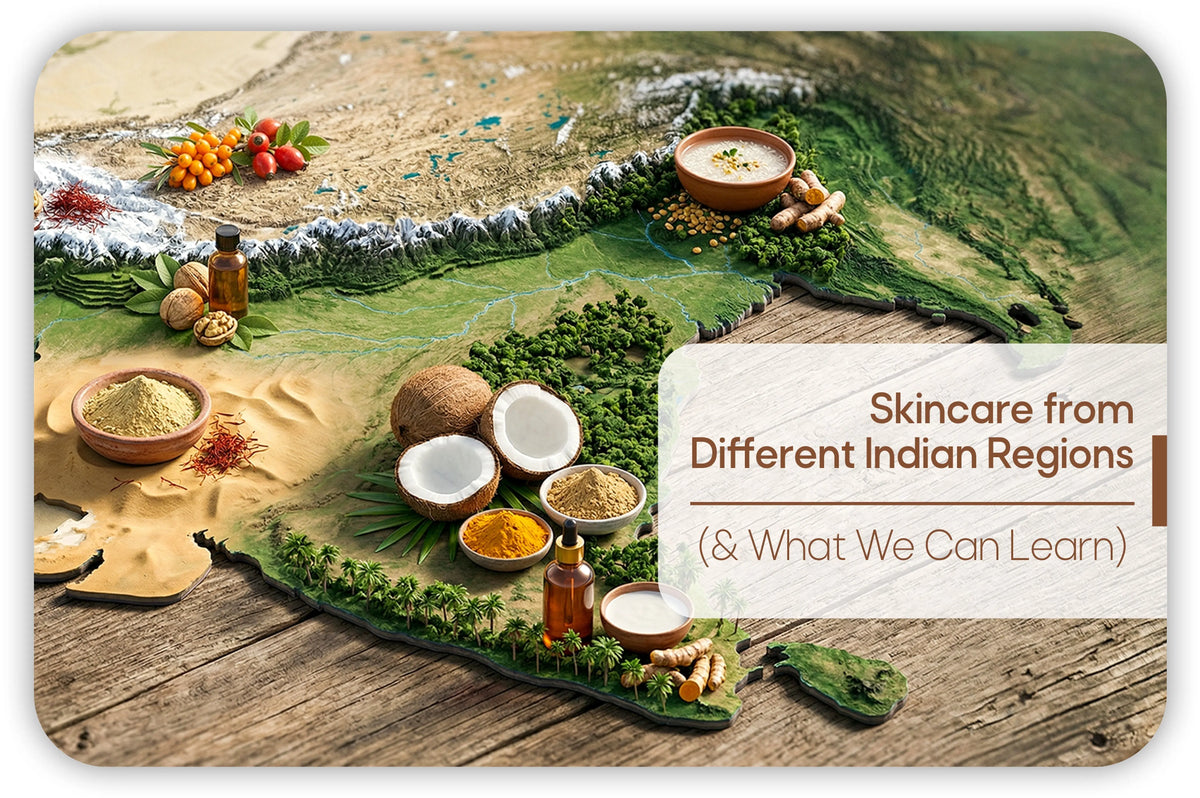
For years, the beauty industry was dominated by a one-size-fits-all approach. But today's consumers are craving something more authentic, something that connects them to their heritage and delivers real results. This "return to roots" mentality is fueling the popularity of South Asian beauty practices, which are intrinsically linked to the ancient wisdom of Ayurveda. The appeal is multifaceted. There's a perceived authenticity – the weight of generations of women passing down these rituals. There's also the growing body of scientific evidence that validates their efficacy. And let's not forget the influence of social media, where South Asian creators are acting as cultural ambassadors, sharing their traditions with the world. The numbers speak for themselves. The Ayurveda market is expanding rapidly, with a projected compound annual growth rate of 20.1% between 2024 and 2029, reaching a total projected growth of $11.3 billion. The global beauty market, valued at approximately $450 billion in 2024, is expected to reach $590 billion by 2030, with skincare remaining the dominant segment. And within that segment, South Asian beauty is one of the fastest-growing subcategories. Influencers like Sunehra Tasnim, with her 1.7 million Instagram followers, are reframing the narrative around beauty standards. They're demonstrating that traditional practices can be just as effective, if not more so, than luxury Western brands.
The Power of Ghee and Beyond: Key South Asian Beauty Remedies Gaining Global Traction.
Let's delve into some of the specific remedies that are making waves:
● Ghee: This clarified butter, a staple in South Asian kitchens, is now finding its way into
skincare routines.Ghee is rich in essential fatty acids and fat-soluble vitamins, offeringdeep hydration and nourishment for the skin. It can even help lighten lip pigmentation thanks to its antioxidant properties.
● Nari'yal Tip: Try applying a small amount of pure ghee to your lips before bedfor intense overnight hydration.
● Turmeric: This vibrant spice has powerful anti-inflammatory and antioxidant properties,
thanks to its active compound, curcumin. Clinical studies have shown that curcumin can aid in wound healing, prevent photoaging, and improve skin firmness and elasticity.
● Nari'yal Tip: Mix a pinch of turmeric with honey and yogurt for a simple yet effectiveface mask.
● Neem: Known for its antimicrobial and anti-inflammatory properties, neem is a go-to remedy for acne and other skin conditions. Scientific research has confirmed its effectiveness against various pathogens.
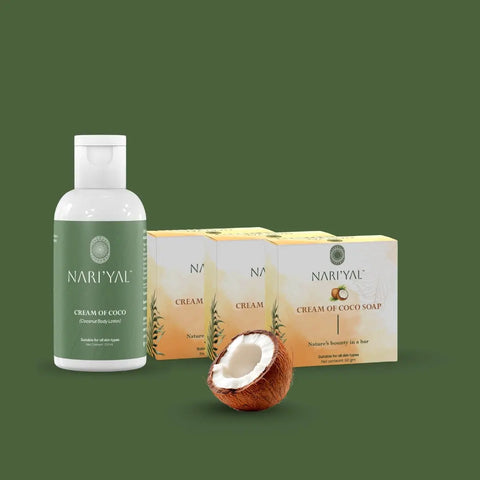
● Nari'yal Tip: Facing a stubborn breakout? Mix a drop of pure Neem oil with your Nari’yal moisturiser. The Coconut acts as a soothing carrier, helping the potent antibacterial properties of Neem reach deep into your pores while protecting your skin barrier.
● Ubtan: This traditional paste, made from ingredients like gram flour, turmeric, yogurt, and rose water, is a gentle exfoliator and moisturiser. Priyanka Chopra even shared her family's ubtan recipe in a Vogue video.
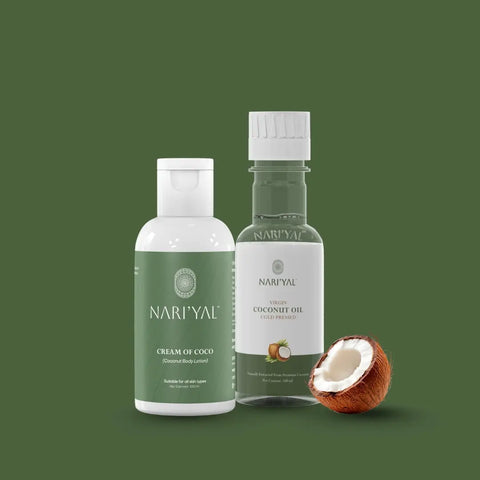
● Nari'yal Tip: Create your own ubtan at home with our Virgin Coconut Oil for that
instant hydration and nourishment.
The Science Behind the Hype: Clinical Validation of Traditional Ingredients
What sets this movement apart is the growing body of scientific research that supports the efficacy of these traditional ingredients. For example, studies have mapped the anti-inflammatory pathway of curcumin at the molecular level. Neem's antimicrobial properties have also been well-documented in clinical settings. And research has shown that coconut oil penetrates deeply into the hair shaft, preventing protein loss. Even the emotional and psychological benefits of these rituals are being recognized. The act of taking time for self-care, of connecting with ancestral practices, can reduce stress and improve overall well-being.
Social Media as the Cathedral: How TikTok and Instagram Are Mainstreaming South Asian Beauty
Platforms like TikTok and Instagram are playing a crucial role in popularizing South Asian beauty remedies. The hashtag #hairoiling has accumulated billions of views, as has #Ayurveda in various iterations. These platforms allow creators to share their knowledge, demonstrate traditional rituals, and document real-world results in a way that feels authentic and relatable.
Micro-influencers, in particular, are driving genuine engagement and consumer loyalty by sharing not just products but entire philosophies about beauty and wellness.
Market Dynamics: How Traditional Remedies Are Reshaping Beauty Industry Economics
The economic implications are significant. The Indian skincare market is expanding rapidly, with projections suggesting it will reach $17.34 billion by 2034. Consumers are increasingly seeking sophisticated ingredient combinations that honor their heritage while incorporating innovative technologies from other parts of Asia.
South Asian beauty brands are also strategically positioning themselves as premium offerings, justifying higher price points through effective storytelling about ingredient quality, formulation expertise, and cultural authenticity.
Challenges and Opportunities: Navigatin Authenticity Safety and Market Access
Of course, there are challenges to navigate. It's crucial to distinguish between authentic traditional practices and superficial appropriation. Safety and formulation complexity are also important considerations, particularly when it comes to DIY remedies.
Clean Beauty and Conscious Consumer Movement: Where Traditional South Asian Beauty Intersects with Global Wellness Trends
The rise of the conscious beauty consumer, who prioritizes eco-friendly labels and natural
ingredients,aligns perfectly with the principles of Ayurveda. Consumers are increasingly seeking products that offer long-term health benefits rather than just quick fixes.
The Future Landscape: Emerging Trends and Market Predictions for South Asian Beauty Looking ahead we can expect to see:
● Continued growth of heritage-inspired brands from South Asian entrepreneurs.
● Integration of AI and personalization technologies with traditional beauty wisdom.
● Increased emphasis on sustainable sourcing and ethical production practices.
Conclusion
The rise of South Asian beauty remedies is more than just a trend; it's a culturalrenaissance that's reshaping the global beauty industry. By embracing these time-tested practices, we can connect with our heritage, nourish our skin, and promote overall well-being.